


Let’s explore the best superfoods you should add to your diet to live a healthier life. These foods are packed with antioxidants, vital vitamins, and minerals that will boost your overall well-being. Get tips on how to seamlessly integrate them into your daily
What are Superfoods?
In our health-obsessed times, the term “superfood” is thrown around a lot. So, what actually makes something a superfood? Well, superfoods are essentially nutrient powerhouses, crammed with goodness like vitamins, minerals, antioxidants, and other beneficial bits and bobs. They’re not just packed with the good stuff, they can also give your health a real boost by supporting your immune system, aiding digestion, giving you more energy, and potentially even helping you live longer.
No one food is a magic bullet for a long, healthy life, but adding a mix of these superfoods to your diet can really make a positive impact. In this blog, we’ll dive into the best superfoods that you should be including in your daily meals, to make sure your body gets all the vital nutrients it needs.
1. Berries: A Powerful Antioxidant Punch
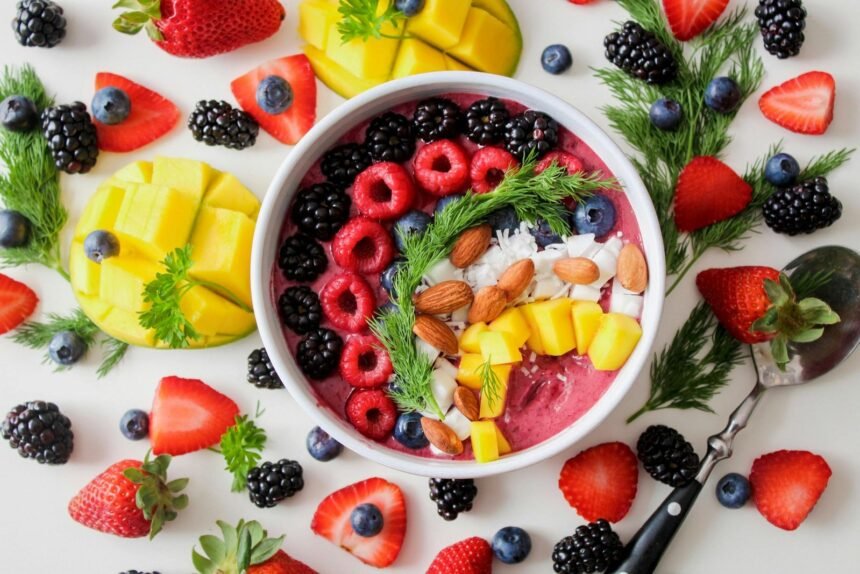
Berries like blueberries, strawberries, raspberries, and blackberries are brimming with antioxidants, particularly flavonoids and anthocyanins. These compounds are great for the body, shielding it from oxidative stress, a key player in cell damage, aging, and the development of chronic diseases. Plus, berries are loaded with vitamins C and K, which are essential for a healthy immune system and glowing skin.
Examples:
Blueberries: Celebrated for their rich anthocyanin content, these fruits boasts anti-inflammatory qualities and contribute to cardiovascular well-being.
Strawberries: Loaded with vitamin C, they give your immune system a lift and aid in collagen synthesis, which keeps skin looking great.
How to Include in Your Diet:
- Toss some fresh berries into your breakfast smoothie or bowl of oatmeal.
- Have them as a handy snack or sprinkle them over a salad.
Suggested Read:- 6 Serotonin Boosting Foods
2. Leafy Greens: Nutrient Powerhouses
Leafy greens such as spinach, kale, arugula, and Swiss chard are nutritional powerhouses. They’re bursting with vitamins A, C, and K, folate, and minerals like calcium and magnesium. These greens are also a good source of fiber, which helps digestion and fosters a healthy gut.
Examples:
Spinach: Abundant in iron and folate, they play a vital role in energy production and the creation of red blood cells.
Kale: They are a superb provider of vitamin K, crucial for maintaining strong bones, and antioxidants like lutein that safeguard your eyesight.
How to Include in Your Diet:
- Use leafy greens in salads, wraps, or as a base for bowls.
- Add them to soups, stews, or smoothies.


3. Nuts and Seeds: Tiny But Mighty
Nuts and seeds are fantastic for you, packed with good fats, protein, fiber, and crucial vitamins and minerals. They’re especially great for your heart because they’re full of omega-3 fatty acids, which fight inflammation and help lower cholesterol.
Examples:
- Almonds: These are loaded with vitamin E and good fats, and they can be great for your brain and help reduce inflammation.
- Chia seeds: They’re brimming with omega-3 fatty acids, fiber, and protein, so they aid digestion and keep your heart in tip-top shape.
How to Include in Your Diet:
- Snack on a handful of mixed nuts or seeds.
- Sprinkle chia seeds over yogurt or incorporate them into smoothies and baked goods.
4. Avocados: Healthy Fats for Better Health
Avocados are celebrated for their abundant monounsaturated fats, those beneficial fats that contribute to heart health by lowering levels of “bad” cholesterol. These fruits are also brimming with fiber, potassium, and vitamins C, E, and K. Eating avocados aids in keeping your digestive system running smoothly, gives your skin a healthy glow, and enhances brain function.
How to Include in Your Diet:
- Spread avocado on whole grain toast for a nutritious breakfast.
- Use mashed avocado as a base for creamy sauces or dressings.
5. Salmon: Omega-3 Fatty Acids and Protein
Salmon is a fantastic source of omega-3 fatty acids, which are crucial for a healthy brain and keeping inflammation at bay. It’s also loaded with top-notch protein, vitamins B12 and D, and selenium. Making salmon a regular part of your diet can be great for your heart, help you maintain muscle, and improve your brainpower.
Examples:
- Wild-caught Salmon: Wild-caught Salmon: Generally boasts more omega-3s and fewer pollutants than its farmed counterpart.
How to Include in Your Diet:
- Grill or bake salmon fillets for a nutritious meal.
- Add cooked salmon to salads or wraps for a protein boost.
6. Turmeric: The Golden Spice for Health
Turmeric, that vibrant golden-yellow spice that’s a staple in Indian cooking, has a special compound in it called curcumin. This curcumin is pretty amazing because it’s both a strong anti-inflammatory and a powerful antioxidant. What does that mean? Well, it can help bring down inflammation, ease any pain you might be feeling, and even help shield your body from long-term health problems like heart disease and cancer.
How to Include in Your Diet:
- Enhance your soups, stews, and curries with a dash of turmeric.
- Make a soothing turmeric latte by mixing turmeric powder with milk (or a milk alternative) and a touch of honey.
7. Garlic: A Natural Immune Booster
Garlic, beloved for its flavor, has also been cherished for centuries as a natural remedy. This pungent bulb is packed with allicin, a substance celebrated for its ability to fight germs and reduce inflammation. People turn to garlic to give their immune system a lift, keep their hearts healthy, and manage high blood pressure.
How to Include in Your Diet:
- Elevate your stir-fries, soups, and sauces with the addition of crushed or finely chopped garlic.
- Create a flavorful garlic-infused oil to drizzle over roasted vegetables or use it as a delectable salad dressing.
8. Quinoa: A Complete Protein
Quinoa is a fantastic gluten-free whole grain that packs a punch – it’s got all nine essential amino acids, which means it’s a complete protein. That’s great news for vegetarians and vegans! It’s also loaded with fiber, iron, magnesium, and antioxidants, all working together to keep you healthy and help manage your weight.
How to Include in Your Diet:
- Try using quinoa as the foundation for your salads or grain bowls.
- You can also replace rice with quinoa as a side dish, or stir it into your soups for an extra nutrient boost.
9. Green Tea: A Boost for Your Metabolism
Green tea is a powerhouse of polyphenols and antioxidants, especially catechins, known to kickstart your metabolism and aid in torching fat. Making green tea a regular part of your routine could also sharpen your brain function, keep your heart in good shape, and possibly reduce the risk of developing some cancers.
How to Include in Your Diet:
- Try incorporating a cup of green tea into your morning or afternoon routine.
- For an extra shot of antioxidants, consider tossing some green tea into your smoothies.
FAQ’s
Q1: What exactly makes a food a “superfood”?
A1: A superfood is simply a food that’s packed with a high concentration of nutrients — like vitamins, minerals, antioxidants, and healthy fats. They offer extra health benefits compared to regular foods, helping support immunity, digestion, energy, and long-term wellness.
Q2: Do superfoods guarantee better health?
A2: Not instantly. Superfoods are extremely healthy, but they’re not magic. They work best when added to a balanced diet and healthy lifestyle. Think of them as boosters, not miracle cures.
Q3: How often should I eat superfoods?
A3: You don’t need them at every meal, but including 1–2 superfoods daily — like berries, leafy greens, or nuts — is a great way to boost your nutrient intake.
Q4: Are superfoods expensive?
A4: Some can be pricey, but many budget-friendly options exist too. Foods like spinach, oats, garlic, bananas, eggs, chia seeds, and green tea are all affordable and nutrient-rich.
Q5: Can I replace meals with superfoods like smoothies?
A5: Smoothies can be nutritious, but replacing full meals too often may leave you missing essential nutrients. It’s better to add superfoods to your meals rather than rely on them as meal replacements.
Q6: Are superfoods safe for everyone?
A6: In most cases, yes — but some people may have allergies or intolerances. For example, nuts, seeds, or certain berries may not suit everyone. If you have medical conditions, check with a healthcare professional.
Q7: Can superfoods help with weight loss?
A7: They can help, but indirectly. Foods like berries, leafy greens, green tea, and quinoa support digestion, metabolism, and fullness. But weight loss still depends on overall diet and lifestyle.
Q8: What’s the easiest superfood to add to daily meals?
A8: Berries, leafy greens, garlic, green tea, and chia seeds are super easy. You can toss them into smoothies, salads, soups, yogurt, or even water (like chia water).
Q9: Can children eat superfoods too?
A9: Absolutely! Most superfoods are great for kids — like berries, nuts (if not allergic), avocado, spinach, and quinoa. They help support growth, immunity, and brain development.
Q10: Do I need supplements if I’m eating superfoods?
A10: Not necessarily. Superfoods give you natural nutrients, and a balanced diet often covers most needs. Supplements are only required if you have deficiencies or medical advice to use them.
Conclusion: A Balanced Diet for Optimal Health
Sprinkling your diet with a colorful mix of superfoods can do wonders for your well-being. These nutritional powerhouses can give you an energy lift, strengthen your body’s defenses, and even show some love to your ticker and noggin. But remember, even though each superfood is a star in its own right, the real secret to feeling fantastic is a balanced diet with a variety of good stuff.
Make sure you’re chowing down on a broad spectrum of nutrient-packed foods. Think fruits, veggies, lean proteins, healthy fats, and whole grains. Play around with different superfoods and see which ones make your taste buds sing and fit into your daily grind. By tweaking your eating habits bit by bit, you can look forward to a healthier, more energetic you.